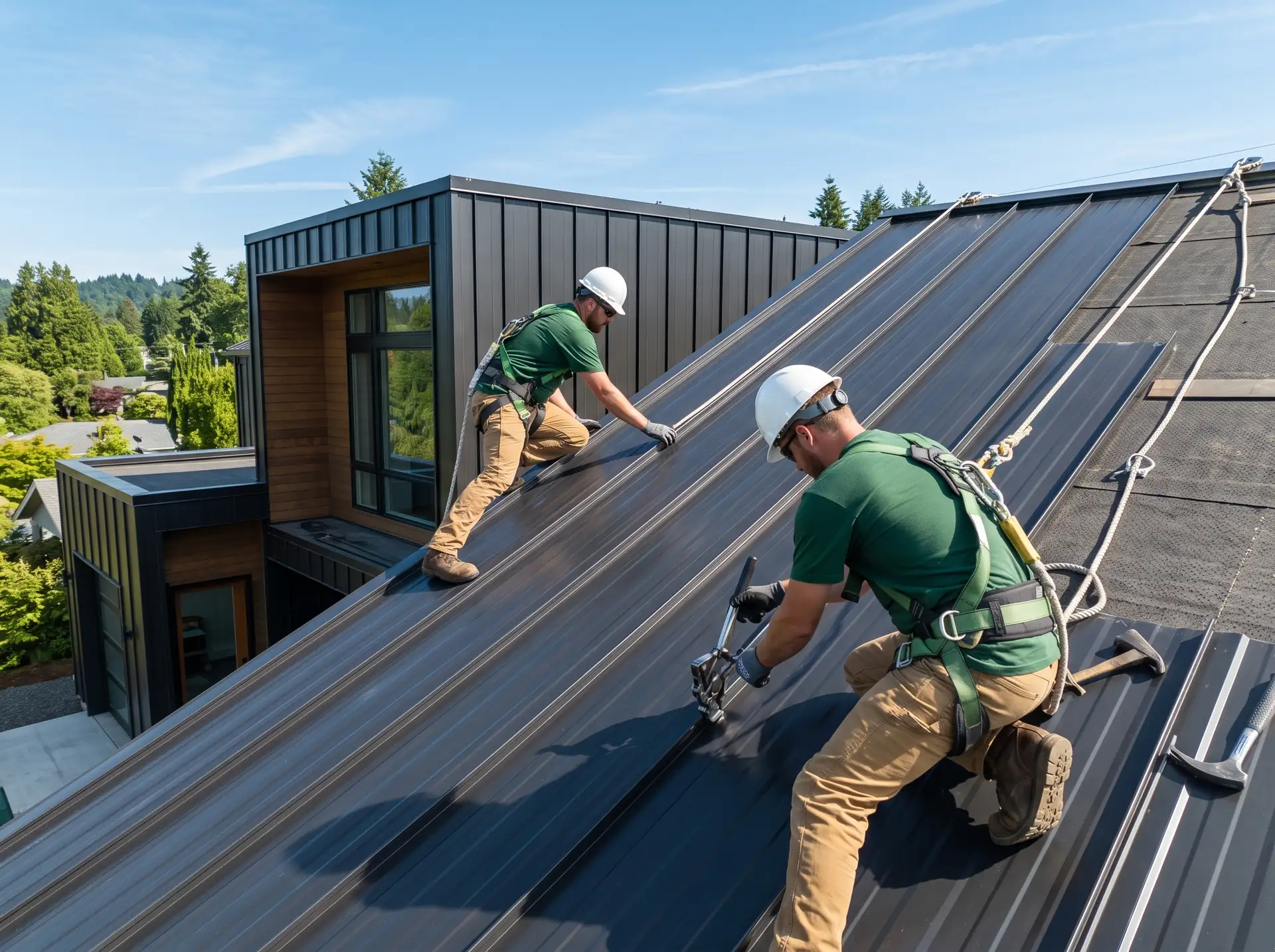
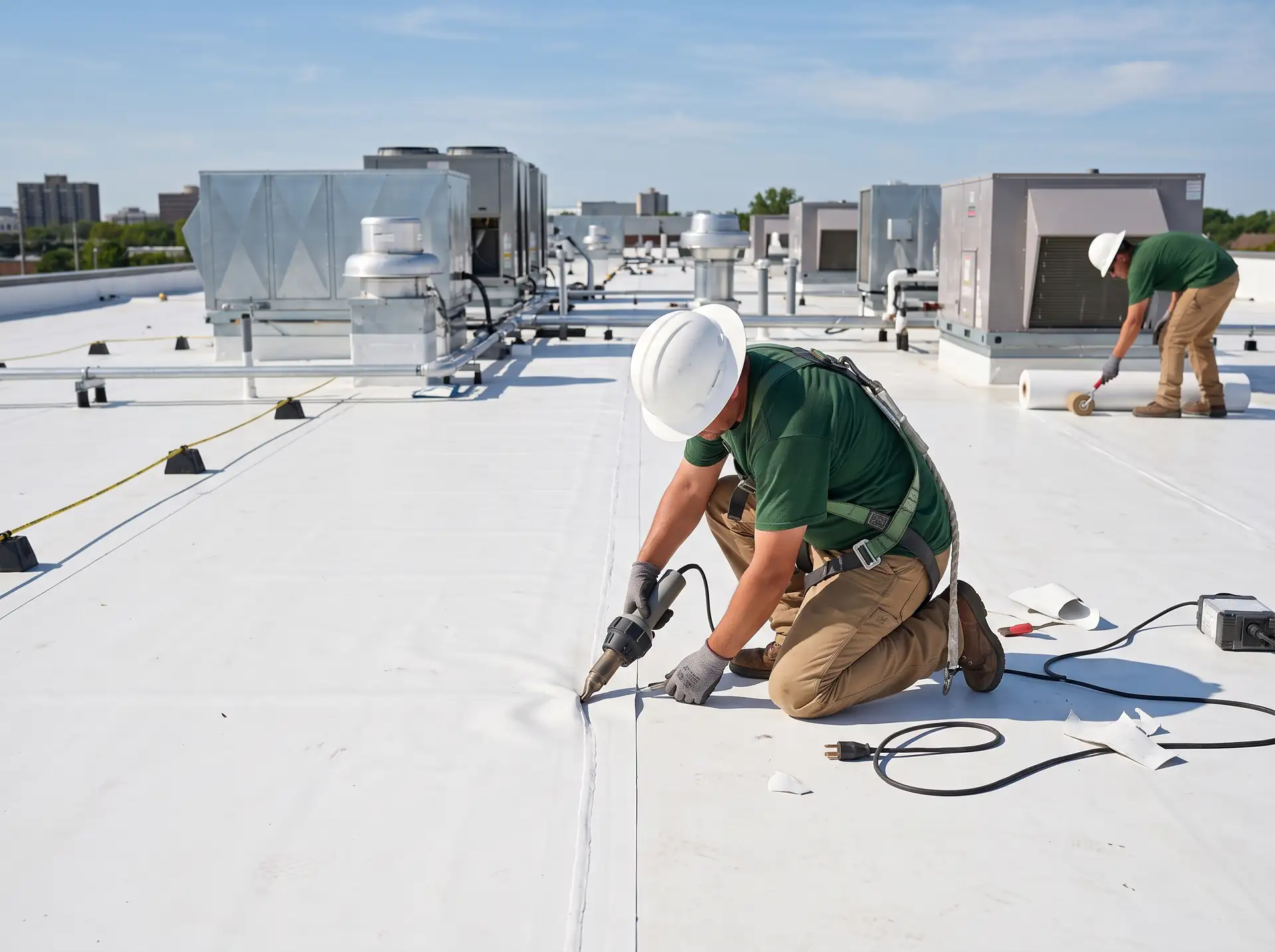
Cool roofing uses roof materials that reflect more sunlight and shed absorbed heat faster than standard roofing, so the roof surface and the attic under it run cooler. Global Green Roofing installs rated cool shingles, tile, metal and low-slope membranes in Los Angeles, checks whether California's Title 24 cool-roof rule applies to your re-roof, and plans the roof for solar.
 Cool Roofing
What is a cool roof?
A cool roof is defined by two measured properties. Solar reflectance is the share of sunlight the surface bounces back, from 0 to 1. Thermal emittance is how readily the surface releases the heat it did absorb, also from 0 to 1. A third number, the Solar Reflectance Index (SRI), combines the two into one score.
The Cool Roof Rating Council (CRRC) rates roofing products on these properties, both when new ("initial") and after three years of outdoor weathering ("aged"). California's energy code uses the aged values, because dirt and weather lower reflectance over time. When we propose a cool product, you see its CRRC rating, not a marketing claim.
Do you need a cool roof when you re-roof in California?
Sometimes. California's Title 24 energy code sets minimum aged reflectance and emittance values when more than half of an existing roof is replaced, but only in certain climate zones, and the zones differ for steep-slope and low-slope roofs. In climate zones 4 and 8 to 15 (zone 9 covers Pasadena, Altadena, Encino and Simi Valley), a pitched re-roof needs a rated cool product unless an exception applies, such as R-38 ceiling insulation or a qualifying attic radiant barrier.
Some local codes go further: the City of Los Angeles calls for a rated cool roof when more than half of a home's roof is replaced, in every ZIP code and at higher values than the state, although LADBS lists a tile lift and relay with no cool roof requirement. The rules, zones and exceptions are set out in our guide to cool roof requirements in California.
We check the climate zone for your address before you pick a product, because a roof one ZIP code over can fall under different rules.
Cool roof options by roof type
Cool roofs are not only white. The U.S. Department of Energy says white roofing products reflect about 60 to 90% of sunlight, and "cool colored" products in darker shades typically about 30 to 60%, still cooler than conventional colors.
| Roof type | Cool option | Notes |
|---|---|---|
| Asphalt shingles | Cool roof shingles with reflective granules | Look and install like standard shingles; color range narrower than standard lines |
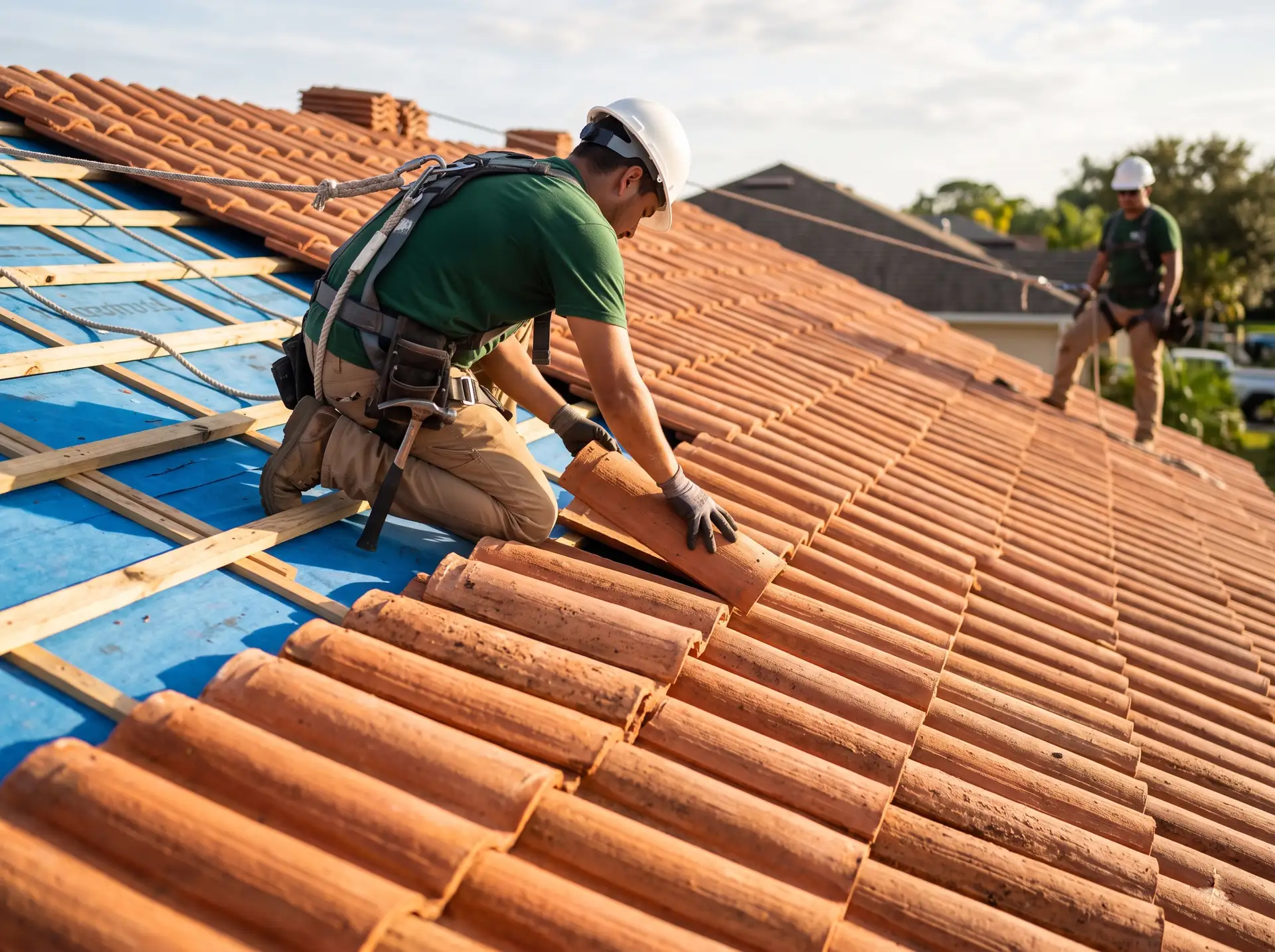
| Clay and concrete tile | Cool-rated clay and concrete tile colors | The Department of Energy lists cool clay and concrete tile among steep-roof options |
| Metal | Factory-painted panels in rated cool colors | Unpainted metal reflects well but sheds heat poorly, so the Department of Energy points to painted finishes |
| Low-slope and flat | White or light TPO membranes, reflective cap sheets, cool coatings | Low-slope cool roofs reach the highest reflectance values |
Reflective roof coatings: when they make sense
A reflective coating over an existing low-slope roof can raise its reflectance without a tear-off, but only when the roof underneath is sound: dry insulation, membrane well attached, seams intact. A coating over wet insulation or a failing membrane traps the problem, so the roof under any coating needs checking first, and where it needs work a new reflective membrane (see flat roofing) is the lasting fix.
Energy-efficient roofing is more than the surface
A reflective covering is one part of a roof that keeps heat out. Three other parts matter as much in a Southern California summer:
Attic ventilation
Balanced intake at the eaves and exhaust at the ridge let hot air leave the attic instead of radiating into the rooms below.
Insulation
Insulation on the attic floor or under the roof deck slows the heat that does get through. Title 24 recognises added insulation as an alternative to a cool surface in some cases.
Radiant barriers
A reflective foil layer under the deck blocks radiant heat from the hot roof into the attic. It is another alternative the energy code lists for some re-roofs.
Solar-ready roofing
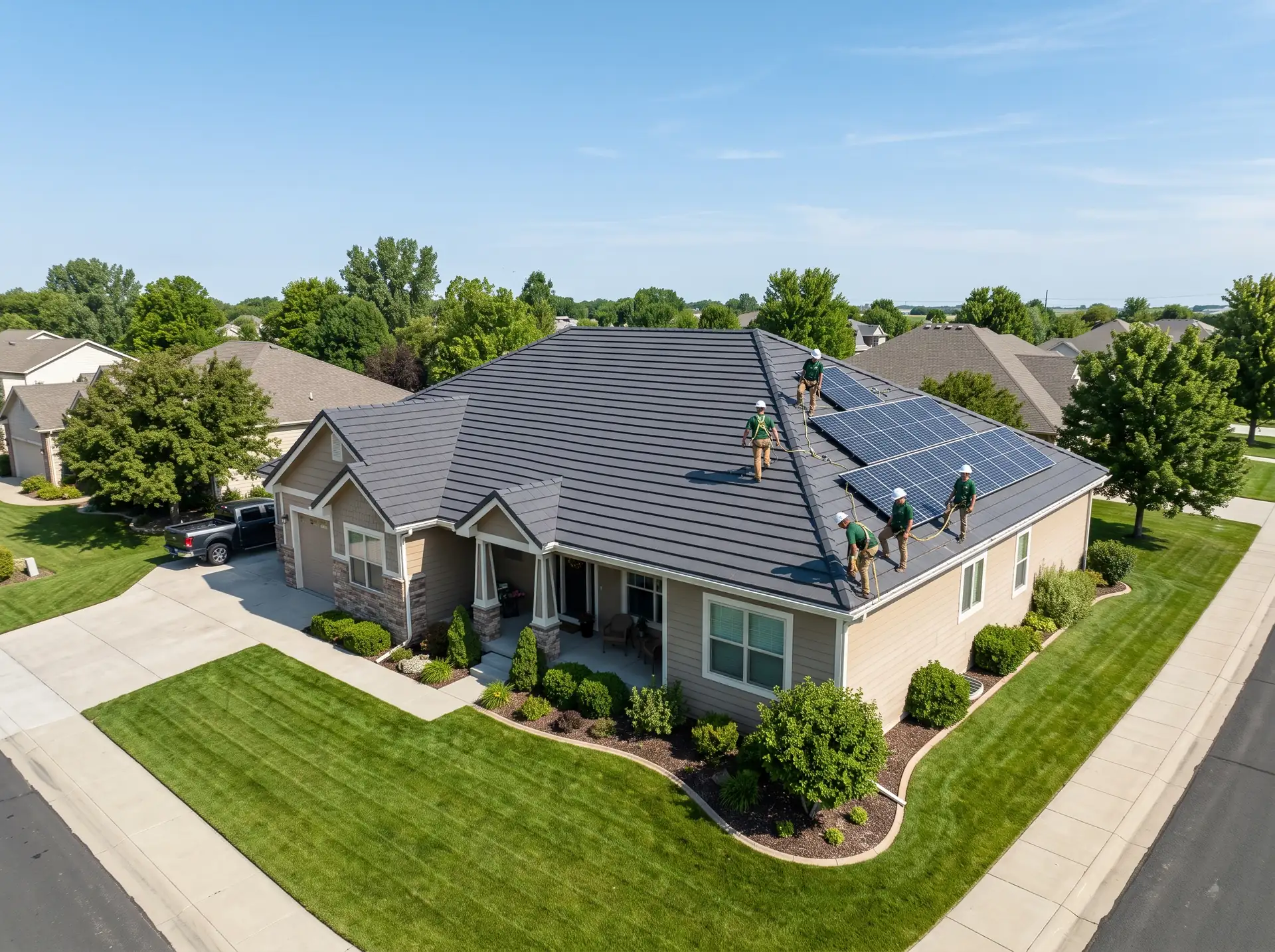
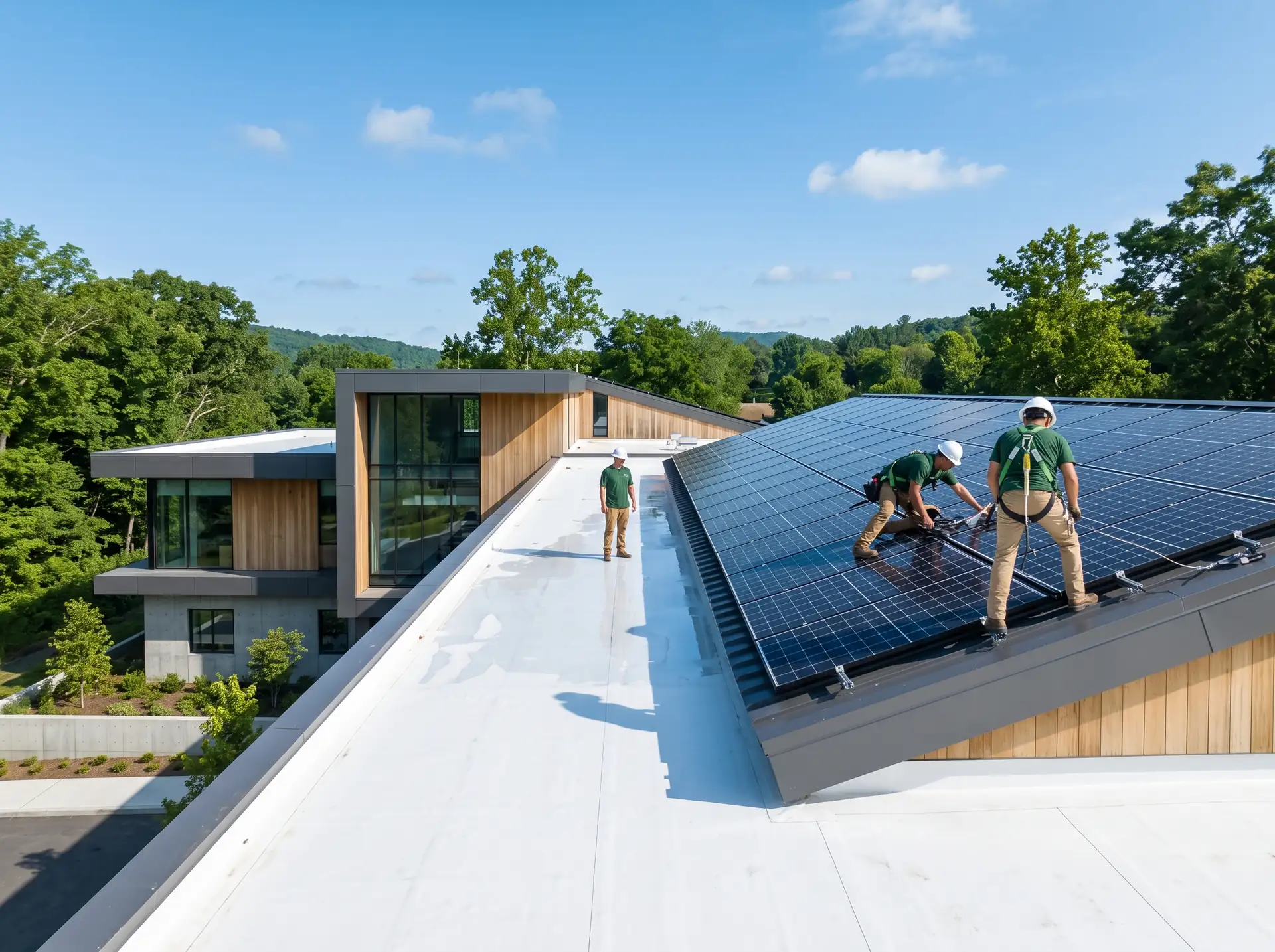
Solar panels are designed to stay on a roof for decades, so the roof under them should last as long. A solar-ready roof means a covering with the life to match, mount locations planned with your solar installer, and every attachment flashed into the roof rather than sealed on top. If your roof is older, our guide on replacing your roof before solar explains how to decide.
Is a cool roof worth it for your home?
A cool roof does the most on homes with long, hot summers, air conditioning that runs for months, and ducts or living space right under the roof. The U.S. EPA puts the effect this way: in air-conditioned homes, the reflectance of a cool roof "can reduce peak cooling demand by 11-27%".
The Department of Energy adds the other side: cool roofs "achieve the greatest cooling savings in hot climates, but can increase energy costs in colder climates if the annual heating penalty exceeds the annual cooling savings." That is why the climate zone and the house are looked at, not only the product.
How cool roofing works with us
Roof and attic check
Covering, ventilation and insulation, to see where heat gets in.
Zone and rules
Your Title 24 climate zone and whether the cool-roof rule applies to your re-roof.
Rated options
Cool products for your roof type with their CRRC values, and ventilation fixes.
Installation
The new roof or upgrade, with solar mounting points planned where needed.
Cool Roofing questions
Does a cool roof have to be white?
No. Many cool-rated shingles, tiles and metal finishes come in grays, browns and darker tones, using pigments that reflect more of the sun's energy. White and very light colors still reflect the most.
Does an ENERGY STAR label make a roof meet Title 24?
No. The California Energy Commission says ENERGY STAR uses different reflectance requirements and none for emittance, and that the Cool Roof Rating Council is the only body it recognizes to decide what qualifies as a cool roof.
What if a roofing product has no CRRC rating?
Then Title 24 assigns it default values: an aged solar reflectance of 0.08 for asphalt shingles and 0.10 for other products, both below the re-roof thresholds. An unrated product cannot be used to meet the cool-roof rule.
Whether a re-roof must be cool depends on the city: the state rule covers pitched roofs in Pasadena and Simi Valley (zone 9) and in three Long Beach ZIP codes (zone 8), but only flat and low-slope roofs in coastal zone 6 cities such as Camarillo. The City of Los Angeles, including Pacific Palisades, adds its own rule for pitched roofs too; every city is on our service areas page.